
Why You Need Different Passwords for Every Website
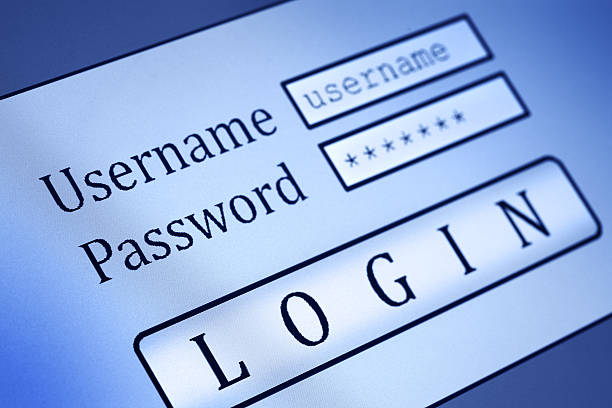
In a world where data breaches are common, one of the simplest and most effective ways to protect your online life is to use a different password for every website and app. It may seem like extra effort, but it is one of the most important habits you can build for your digital security. When you reuse the same password across multiple accounts, a single breach can put many parts of your life at risk.
How Data Breaches Happen
Data breaches occur when attackers gain unauthorized access to a company’s systems and steal user information. This can include names, email addresses, hashed passwords, and sometimes even unencrypted login details. Breaches can happen to large companies, small businesses, and even well-known platforms.
When a website is breached, the stolen data often ends up on the dark web or in hacker forums. From there, it can be bought, sold, and used in automated attacks. Attackers test these stolen credentials against other popular sites, hoping that people have reused the same email and password combination somewhere else.
This is why using the same password on multiple sites is so dangerous. If one site is compromised, all your other accounts with the same login details become vulnerable.
The Domino Effect of Password Reuse
Imagine you use the same password for your email, your bank, your social media, and your shopping accounts. If the shopping site suffers a data breach and your password is exposed, attackers will try that same password on your email and banking accounts. If it works, they can lock you out, change your recovery options, and access your money.
This chain reaction is called credential stuffing. It is one of the most common ways attackers break into accounts. They do not always need to hack each site individually. They just need one weak link.
Using different passwords breaks this chain. Even if one site is breached, your other accounts remain protected because the password does not work anywhere else.
Why Your Email Password Matters Most
Your email account is the key to your entire digital life. It is used to reset passwords, verify identity, and recover access to other services. If an attacker gains control of your email, they can often reset passwords for your bank, social media, and shopping accounts with little resistance.
That is why your email password should never be reused anywhere else. If your email and password appear in a breach from another site, attackers will try to use those details to access your inbox. If you reused that password, your email could be compromised.
Protecting your email with a unique, strong password is one of the most important steps you can take for your overall security.
How to Manage Multiple Passwords
Using different passwords for every account can feel overwhelming, but there are tools designed to help. Password managers allow you to store all your login details in one secure place. They can generate strong, random passwords for each site and remember them for you.
With a password manager, you only need to remember one master password. The manager handles the rest. This makes it much easier to use unique passwords without having to memorize them all.
Most password managers also offer features like breach alerts, password health checks, and automatic form filling. These tools make security more convenient, not less.
What Makes a Strong Password
A strong password is long, unique, and hard to guess. It should include a mix of letters, numbers, and symbols, and it should not be based on easily found information like your name, birthday, or common words.
Examples of strong passwords include random combinations of characters that do not form familiar patterns. Password managers can create these for you, so you do not have to come up with them yourself.
Avoid using small variations of the same password, such as adding a number at the end. Attackers know these patterns and can guess them easily.
The Bigger Picture
Using different passwords is not just about protecting one account. It is about protecting your entire digital identity. In an age where so much of our lives are online, a single weak password can lead to financial loss, identity theft, and long-term hassle.
Data breaches are not going away. Companies will continue to be targeted, and user data will continue to leak. But you can control how much damage a breach causes to you. By using a different password for every website, you make it much harder for attackers to move from one compromised account to another.
Final Thoughts
It may take a little time to set up unique passwords for all your accounts, but the peace of mind is worth it. Start with your most important accounts, such as email, banking, and social media. Then use a password manager to help you secure the rest.
In the fight against data breaches, your password habits are one of your strongest defenses. Do not let one weak link put your entire online life at risk. Use different passwords everywhere, and make it much harder for attackers to win.